
Commercial
Permits and approvals for a Sydney fit-out: DA vs CDC
When a Sydney commercial fit-out needs a CDC, a DA or only landlord and building approvals, and how certifiers, strata and heritage affect the pathway.
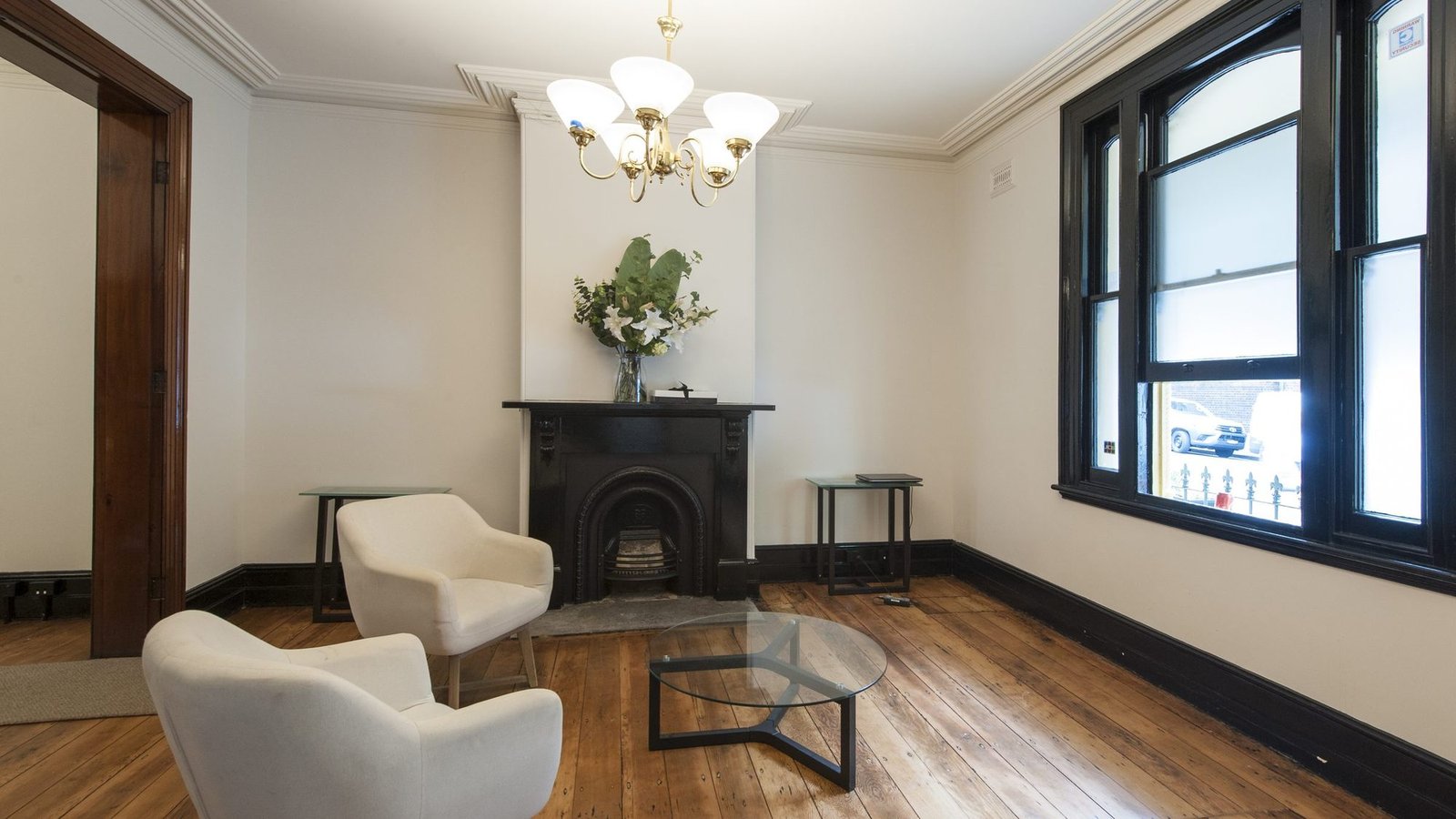
Restored front room — heritage terrace, The Rocks
Most Sydney commercial fit-outs need either a complying development certificate or a development application, unless the works are minor enough to be exempt. The pathway depends on the use, the building, heritage, fire safety and what the landlord and strata will allow, not only on the floor area.
Laidre has fitted out offices, restaurants, bars, gyms, shops and aged care and retirement living spaces across Sydney since 2010, from The Rocks and Martin Place to Woolwich, Alexandria, Balmain and Brookvale. This guide sets out how DA and CDC differ, when each is likely, and the other approvals that sit beside them.
What is the difference between a DA and a CDC?
A complying development certificate (CDC) is a fast-track approval for work that meets fixed standards in the State Environmental Planning Policy (Exempt and Complying Development Codes) 2008, known as the Codes SEPP. Council or a private registered certifier can determine it without a full development application. The NSW Planning Portal explains that a CDC combines planning and construction approval for eligible work.
A development application (DA) is lodged with the local council and assessed on its merits against the local environmental plan and development control plan. Neighbours can be notified and can object. If the DA is approved, you usually still need a construction certificate before building work starts, then an occupation certificate before you occupy.
City of Sydney lists internal alterations and fit-outs of commercial buildings among the categories that can be complying development, alongside small retail and commercial development, when the proposal qualifies. (City of Sydney)
When can a fit-out use complying development?
NSW Planning's Complying Development for Business and Industry pocket guide says internal alterations such as fit-outs are examples of work that can be done as complying development where the land and the standards allow it. Key points from that guide include:
- the works must comply with the relevant Building Code of Australia requirements
- alterations must not increase the gross floor area of the building
- food and drink premises must follow AS 4674-2004 and must not involve barbecue or charcoal cooking
- land with a heritage item, high-risk bushfire affectation or certain other constraints can make the work ineligible for complying development
A change of use can sometimes be packaged with the fit-out in one CDC if the new use is permitted, is on the Codes SEPP list of specified purposes, and meets the standards. The same guide notes that pubs, registered clubs and small bars are not on that specified-purposes list for the Part 5A pathway, so those uses often need a different approval route.
Exempt development is narrower still. Minor internal renovations can be exempt only if they meet the Codes SEPP exempt standards. Changing the configuration of a room, affecting load-bearing capacity, or interfering with exits or fire safety measures generally takes the work out of exempt development and into CDC or DA territory.
When do you need a development application?
Plan for a DA when:
- the land or building is a heritage item, or the works sit outside complying development for a heritage conservation area
- the use is changing in a way that needs council's merit assessment, parking, hours or amenity controls
- the works increase floor area, change the building class, or cannot meet a Codes SEPP standard
- the proposal needs concurrence, is designated development, or needs an environment protection licence
- the local plan or the site's constraints exclude complying development
Heritage is the classic time sink. At The Observer Hotel in The Rocks, every service route needed the heritage architect's sign-off. We worked through 172 items on the heritage schedules, and three fire-engineered solutions kept the original stair. That sort of process has to sit in the program before an opening date is promised. See pub, bar and hotel fit-outs and when a building needs restoration.
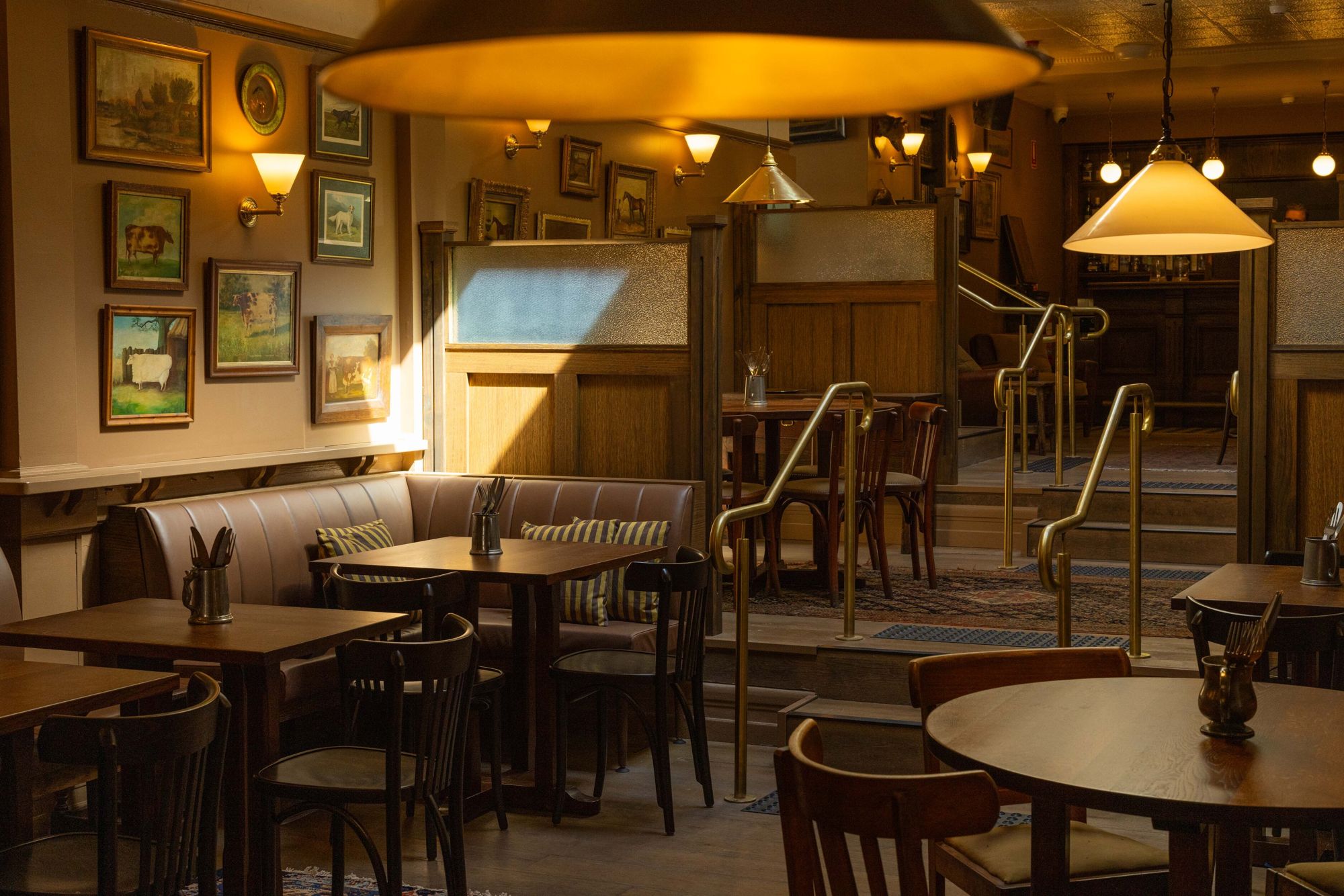
The Observer Hotel dining room — heritage hospitality fit-out, The Rocks
How long do the pathways take?
For CDCs, the NSW Planning Portal says approvals can be issued in as little as 10 to 20 days when the proposal meets the standards. NSW Planning's statewide performance data put the average CDC assessment time at about 20 calendar days in September 2026 and 22 in October 2026. (NSW Planning performance)
DAs take longer. They are assessed on merit, can involve neighbour notification and requests for more information, and the time varies by council and by how complex the use and the building are. Start the pathway before the lease clock is running, not after the make-good date on the old premises.
Incomplete fire-safety schedules, missing owners' consent and unresolved landlord comments are the usual delays on both pathways. Applications for CDCs are lodged through the NSW Planning Portal.
What about certifiers, occupation certificates and the levy?
After a CDC is issued, a principal certifier must be appointed to oversee the work. Before you occupy or use the completed fit-out, you need an occupation certificate from the principal certifier. City of Sydney notes that notice of commencement must be given at least 48 hours before works begin when it is the principal certifier.
On building work valued at $250,000 or more including GST, the NSW long service levy of 0.25% has to be paid before a construction certificate or CDC is released. (Long Service Corporation)
Our Sydney fit-out cost guide covers how those fees sit in the budget.
Landlord, strata and building management approvals
Council or a certifier is only one gate. Most commercial tenancies also need:
- Landlord or lessor consent, often against a fit-out guide that sets hours, loading, insurance, base-building protection and make-good
- Building management bookings for lifts, loading docks, security and after-hours access
- Strata consent where the premises are a strata lot, including works that touch common property such as risers, façades or shared services
On our office fit-out for RP Infrastructure on Level 9, 20 Bond Street, the client stayed in occupation, so painting, electrical and lobby carpet works were booked for weekends or before 8am to suit the building. Approvals and access rules have to be solved together. More on that in planning works in an occupied building.
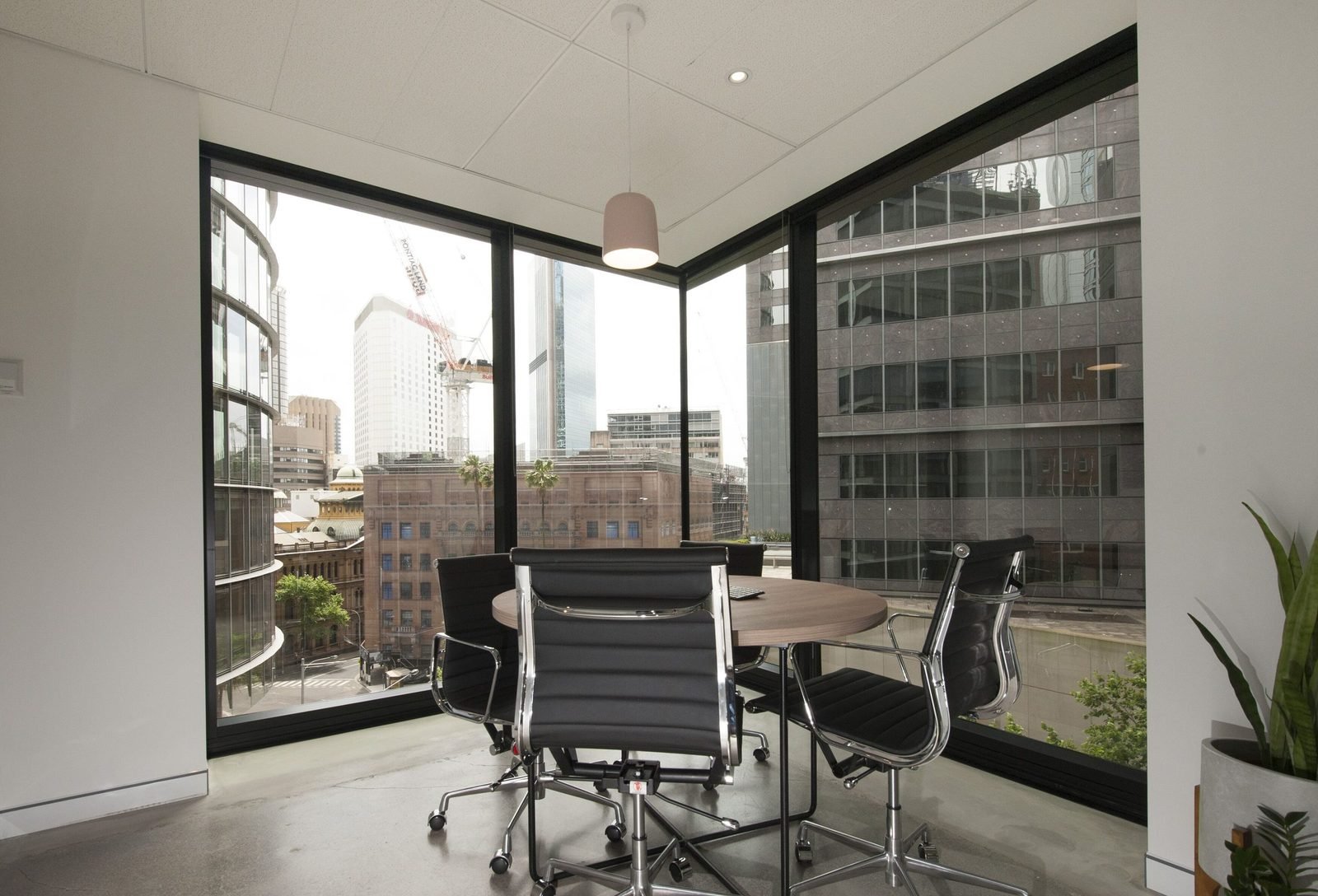
Bligh Street corner meeting room with CBD views
Hospitality adds licence and services overlays. Kitchen exhaust, grease waste, fire suppression and acoustics have to pass before you can trade. See restaurant and cafe fit-outs and commercial gym fit-outs.
How do you choose the pathway early?
- Confirm the current approved use and whether it is changing.
- Check heritage listings, zoning and any site exclusions from complying development.
- Decide whether the works stay inside Codes SEPP standards or need a DA.
- Line up landlord, strata and building management requirements in parallel.
- Appoint the certifier pathway and build the occupation certificate into the opening program.
If you are unsure whether the job is a fit-out or a refurbishment of a space you already occupy, start with office fit-out or refurbishment and commercial fit-outs in Sydney.
Confirm the approvals for your space
Send us the address, the current use, the plans and your opening date, and talk to Dylan, Matt or Neil about the likely pathway before you commit to the lease program. You can also see our commercial and hospitality work.
This article is general information about NSW planning pathways for commercial fit-outs. It is not legal or town-planning advice. Every site is different, and you should confirm the pathway for your address with a planner or registered certifier.
Questions people ask
Do I need a DA for a commercial fit-out in Sydney?
Not always. Many internal commercial fit-outs can go through a complying development certificate if the land and the works meet the Codes SEPP standards. A development application is more likely when the use changes in a way that needs council's merit assessment, the land has a heritage item, or the works fall outside complying development.
What is the difference between a DA and a CDC?
A complying development certificate is a fast-track approval against fixed statewide standards in the Codes SEPP, issued by council or a private registered certifier. A development application is assessed by council on its merits against the local plan. A CDC combines planning and construction approval for eligible work; a DA usually needs a construction certificate before building work starts.
How long does a CDC take in NSW?
The NSW Planning Portal says complying development approvals can be issued in as little as 10 to 20 days when the proposal meets the standards. Statewide, the average CDC assessment time was about 20 to 22 calendar days in September and October 2026, according to NSW Planning performance data. Incomplete drawings and missing fire-safety information slow that down.
Can I fit out a commercial tenancy with no council approval?
Sometimes. Very minor internal work can be exempt development if it meets the Codes SEPP exempt standards, such as replacing finishes without changing the room layout or fire safety. Changing partitions, services, exits or fire measures usually needs a CDC or a DA. You still need the landlord's consent, and often building management and strata approval.
Do heritage buildings need a DA for a fit-out?
Often yes. NSW Planning's business and industry complying development guide says alterations are not eligible for complying development where the land contains a heritage item. Heritage conservation areas also restrict some external and services works. In practice, heritage fit-outs need early advice and a longer approvals program.
What else do I need besides a DA or CDC?
Landlord fit-out approval, building management rules, strata consent where the lot is strata-titled, a principal certifier, and an occupation certificate before you occupy or use the completed works. Food, liquor and other licences can sit on top. The NSW long service levy also has to be paid before a construction certificate or CDC is released on building work of $250,000 or more.
Commercial & hospitality
Dylan, Matt or Neil can talk through your plans, timing and scope.
Related projects
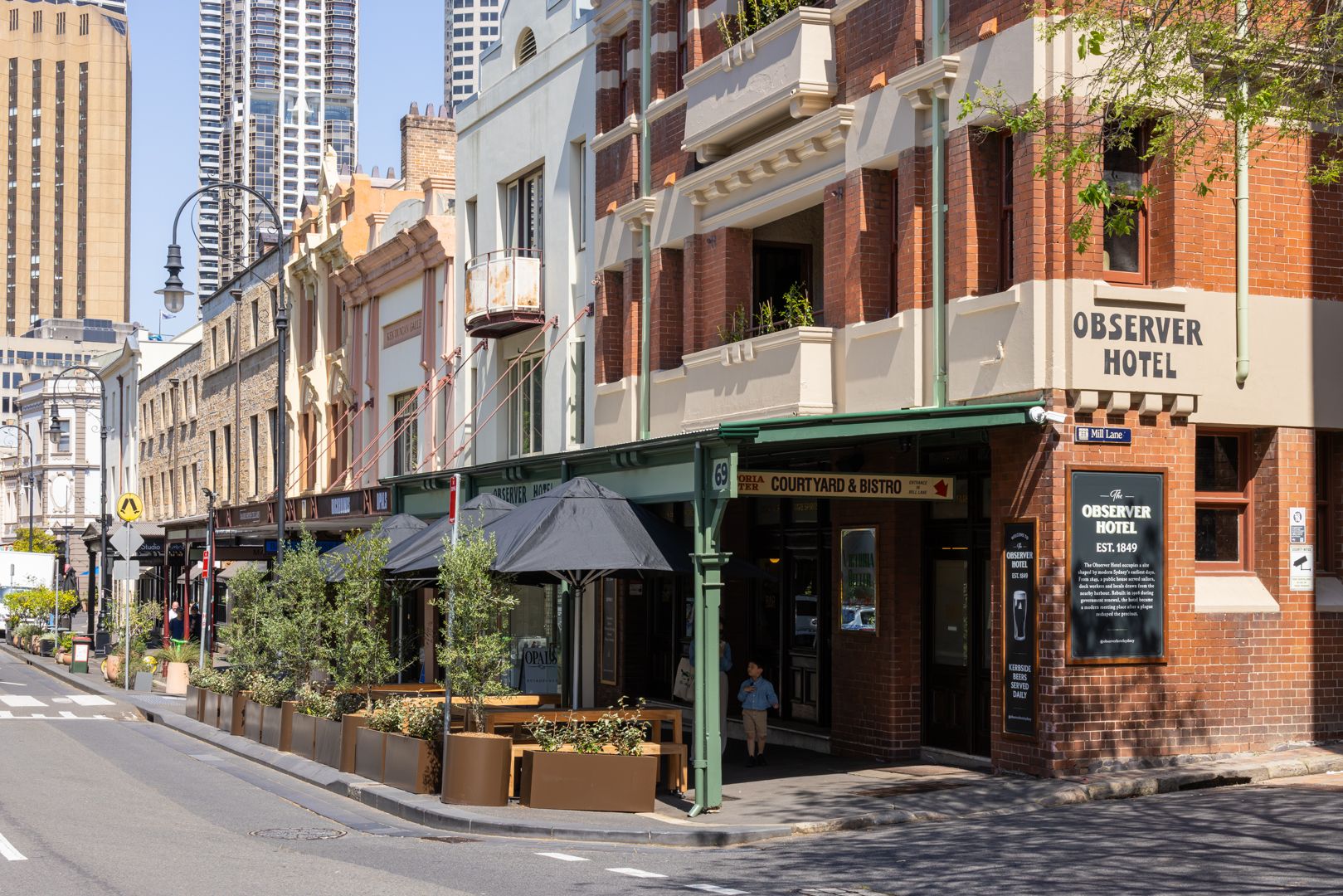
Photo: Kitti Gould
The Observer Hotel, The Rocks
Barrelhouse Group
69 George Street, The Rocks NSWHeritage and building restoration
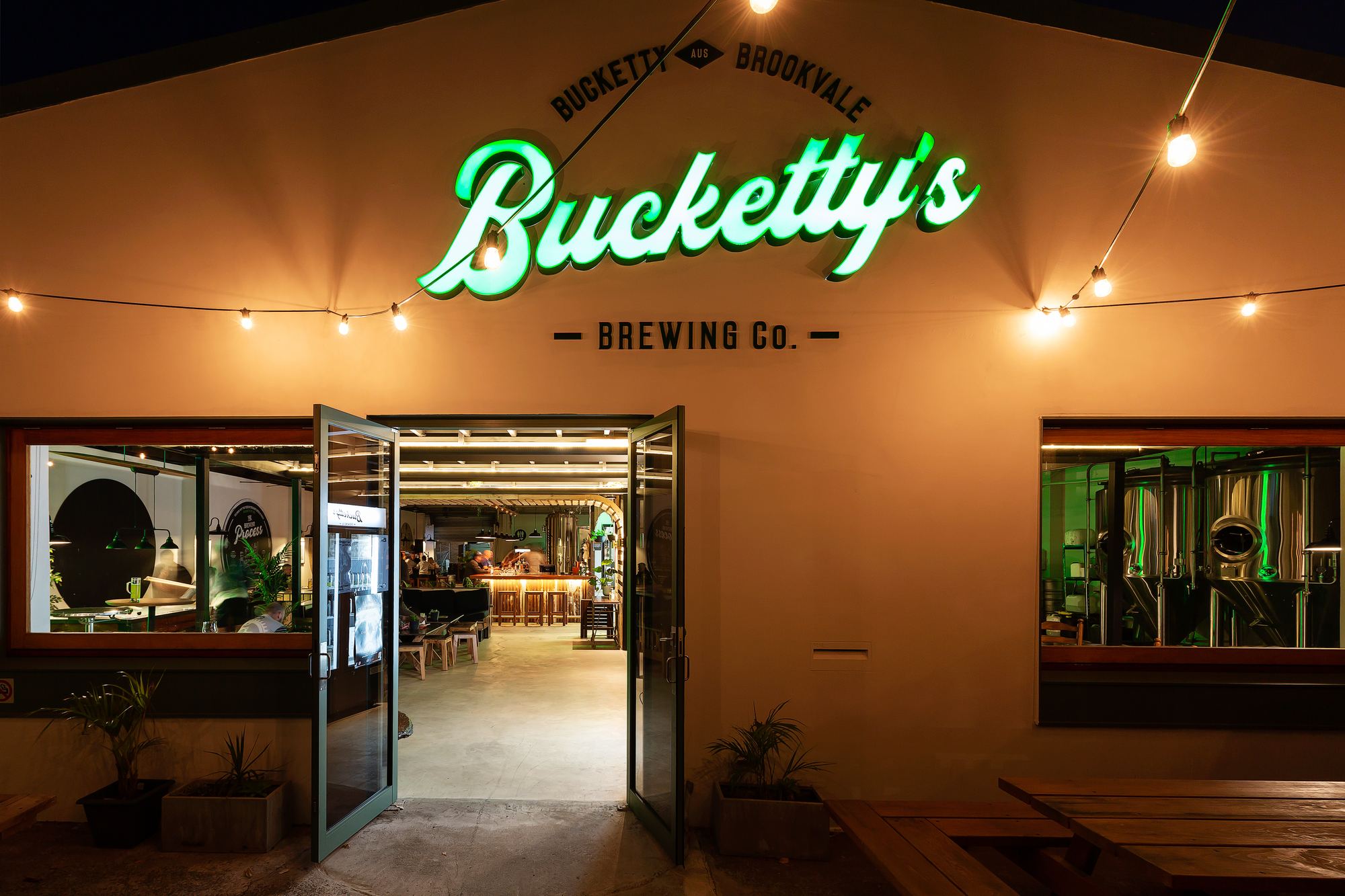
Bucketty's Brewing Co., Brookvale
Bucketty's Brewing Co.
26 Orchard Road, Brookvale NSWDesign and construct