
Commercial
Red flags in a fit-out quote, and how to compare quotes in Sydney
The warning signs in a Sydney fit-out quote, how to get quotes you can actually compare, and what happens when a fit-out goes over budget.
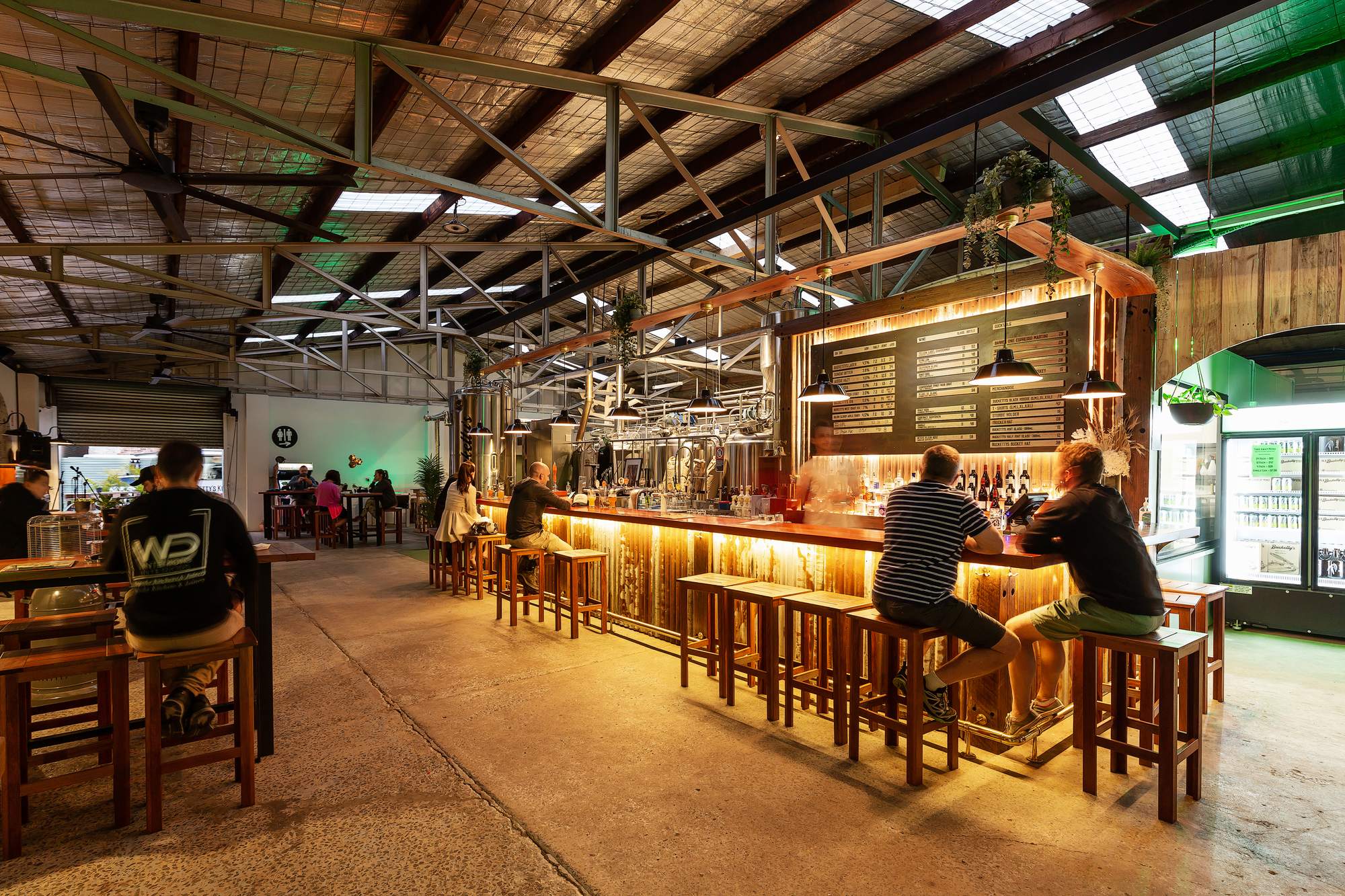
Bucketty's Brewing Co. bar — Laidre design and construct, Brookvale
The biggest red flags in a fit-out quote are a single lump sum with no breakdown, vague scope like "as required", a long list of exclusions, thin provisional sums, and no program or site visit behind the number. The cheapest quote often isn't once those gaps are priced, so get every builder to price the same scope in the same format.
Laidre has priced and built fit-outs across Sydney since 2010, from offices on Bligh Street and Bond Street to venues in Woolwich, Alexandria and Brookvale and fit-out work in the AMP precinct dining hall at Circular Quay. This guide covers what to look for in a quote, how to run a quote process that gives you numbers you can compare, and what happens when a job runs over. For what a fit-out should cost in the first place, start with our Sydney fit-out cost guide.
What are the red flags in a fit-out quote?
None of these means a builder is dishonest. Each one means part of the cost hasn't been priced yet, and you'll find out later.
1. One number and no breakdown
A single figure for "fit-out works" tells you nothing. You can't see what's in it, you can't compare it, and when something changes there's no rate to value the change against. Ask for the price split by trade or by area, at least: demolition, partitions and ceilings, joinery, finishes, and each of the services.
2. Vague words in the scope
Watch for "as required", "allow for", "standard finish", "to suit" and "by others". Each one leaves room for the builder and the client to mean different things. "Allow for electrical" could be ten power points or a new switchboard. A good quote ties each line to a drawing, a finishes schedule or a quantity.
3. A long list of exclusions
Every quote has some exclusions. The problem is when they cover things your job clearly needs. Common ones to look for:
- base building services work, such as air conditioning, fire services or sprinklers
- after-hours or weekend work the building will insist on
- approvals, certifier fees and the long service levy
- hoarding, floor protection and cleaning
- make good at the end of the lease
- asbestos, which in NSW must be removed by a licensed removalist above set amounts (SafeWork NSW)
If one builder excludes what another includes, the cheaper quote isn't cheaper. It's shorter.
4. Thin provisional sums and allowances
Provisional sums and prime cost items are allowances for things that aren't fully defined yet, like joinery hardware, light fittings or a service upgrade. If the real cost is higher, you usually pay the difference. A quote can look sharp because its allowances are too small. Ask what each one covers and how it was worked out.
5. No site visit and no questions
A builder who prices a fit-out without walking the site is guessing about the ceiling space, the switchboard, the loading dock and the lifts. A builder who asks no questions about your drawings probably hasn't read them closely. Both show up later as variations.
6. Nothing about the building's rules
In Sydney, most fit-outs happen inside a building that keeps running. The fit-out guide sets work hours, lift and dock bookings, noise limits and shutdown procedures, and those rules cost time. On RP Infrastructure's office at 20 Bond Street, work in the areas staff were still using was done on weekends or before 8am. At Aveo Minkara, there was no noisy work before 10am and none on weekends. If a quote doesn't mention the hours it assumes, ask. Our guide to fit-outs in occupied buildings explains what those rules change.
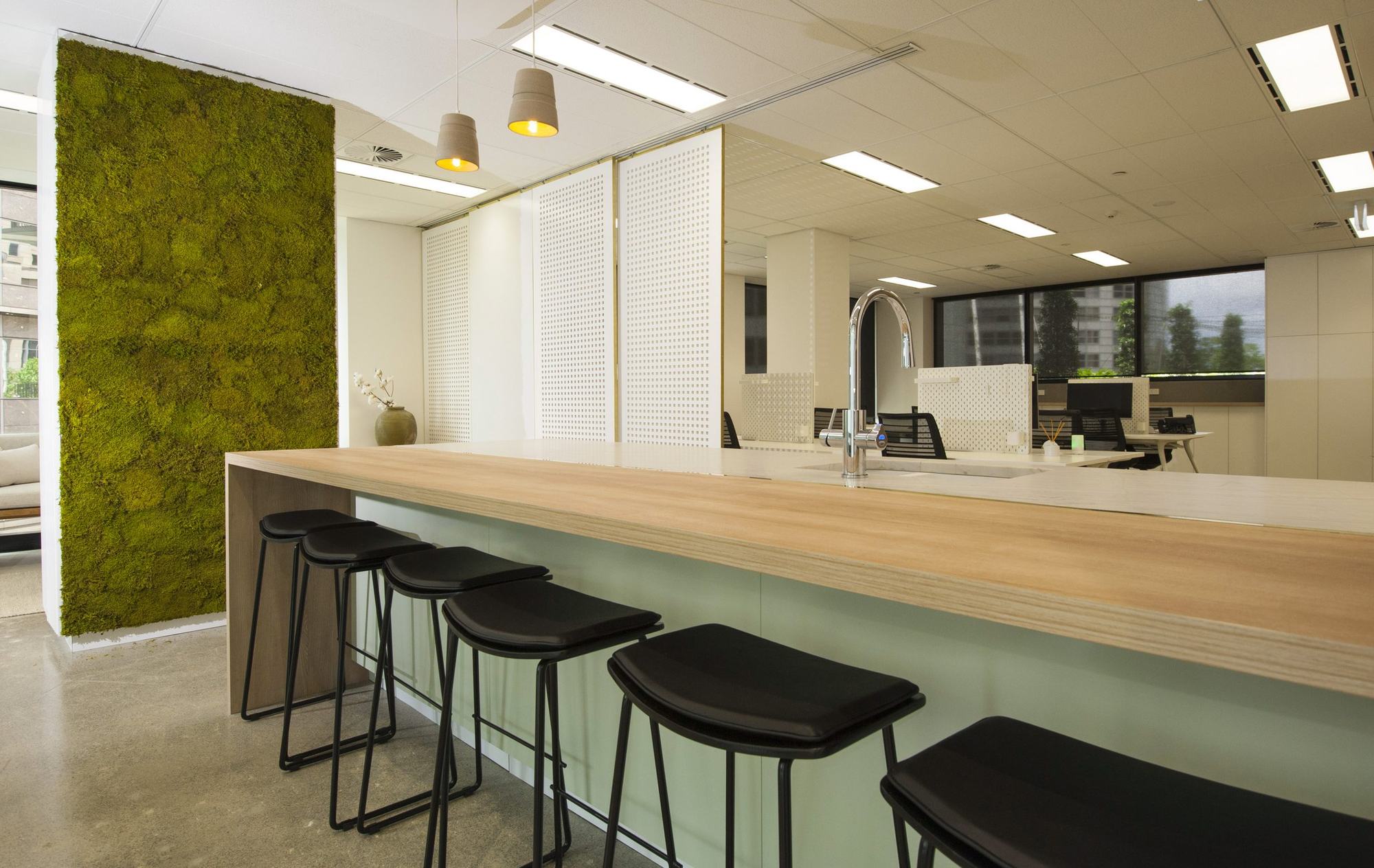
Bligh Street office kitchen — Laidre commercial fit-out, Sydney CBD
7. No program
A price without a program is half an answer. The program shows whether the builder has allowed for long-lead items, staged handovers and approvals, and whether their price matches the time it will really take. A quote that promises a much shorter program than the others should be questioned, not celebrated.
8. Payment terms that front-load the money
A large deposit, or claims that run ahead of the work, shift the risk onto you. We cover what a fair schedule looks like in fit-out payment terms in NSW, so we won't repeat it here.
9. No variation process
Every fit-out has changes. The quote or contract should say how a variation is priced, who approves it, and that it's agreed in writing before the work is done. If it says nothing, the first time you'll see the price of a change is on a claim.
10. Missing company details, licences or insurance
The quote should show the builder's legal name and ABN, and the same entity should sign the contract and hold the insurance. Specialist work such as electrical wiring, plumbing, gasfitting and air conditioning needs licensed contractors, as Service NSW sets out. Laidre holds all required insurances and NSW company builder's licence 454197C, and is a registered practitioner. Our guide to fit-out builder licence and insurance checks goes through what to ask for.
How do you get fit-out quotes you can compare?
Most quote problems start with the brief, not the builder. If three builders get three different briefs, you'll get three prices you can't line up. Run the process like this:
- Send the same pack to everyone. Drawings, a finishes schedule, the building's fit-out guide, the lease make-good clause if there is one, and your target dates.
- Walk every builder through the site. Get the building manager there if you can, so questions about hours, lifts, docks and shutdowns are answered once.
- Set one due date. Give enough time for builders to get trade prices back. A rushed quote is a padded or incomplete one.
- Ask for one format. The same breakdown by trade or area, with exclusions, provisional sums and assumptions listed separately, plus a program.
- Answer questions to all. If one builder asks something that changes the scope, send the answer to every builder in writing.
- Level the quotes. Put them side by side and add back anything one builder left out, so you're comparing like with like.
Two or three builders is usually enough. More than that and good builders may decline, because the odds of winning don't justify the hours it takes to price a fit-out properly. Our guide to choosing a fit-out builder covers who to put on the list.
What happens if your fit-out goes over budget?
Overruns rarely come from one big surprise. They come from a run of small ones. The usual causes are:
- Scope gaps. Items nobody priced because the brief didn't mention them.
- Allowances that were too small. Provisional sums that get topped up.
- What's behind the walls and ceilings. Old services, structure or materials you can't see until demolition. On our RP Infrastructure fit-out, the existing air conditioning unit needed replacing once work started, and that became an approved variation.
- Changes during the job. New rooms, different finishes, extra power and data.
- Building and heritage requirements found late. At The Observer Hotel in The Rocks, the heritage architect signed off every service and pipework route. A job like that has to be priced with those reviews built in.
On a fixed-price contract the builder carries the risk of its own pricing, but your changes, latent conditions and provisional sum adjustments can still move the number. On a cost-plus arrangement, more of the risk sits with you. Either way, a few habits keep an overrun small:
- Hold your own contingency, and don't spend it on wish-list changes.
- Agree every variation in writing, with a price, before the work is done.
- Ask for a cost report with each progress claim, showing approved variations and where each allowance stands.
- When a surprise comes up, ask for options. Sometimes a different detail, a reused element or a staged scope gets the job back on track.
Bucketty's Brewing Co. in Brookvale was a design and construct job with North + North and Kiwi Creator, and the brief was to reuse what already existed. Bridge timber became tables, donated pallets were used, and rusted iron from a farm shed went on the bar. Decisions like that, made early, shape the cost before anyone builds anything. That is the advantage of design and construct: one team owns the design, the price and the build.
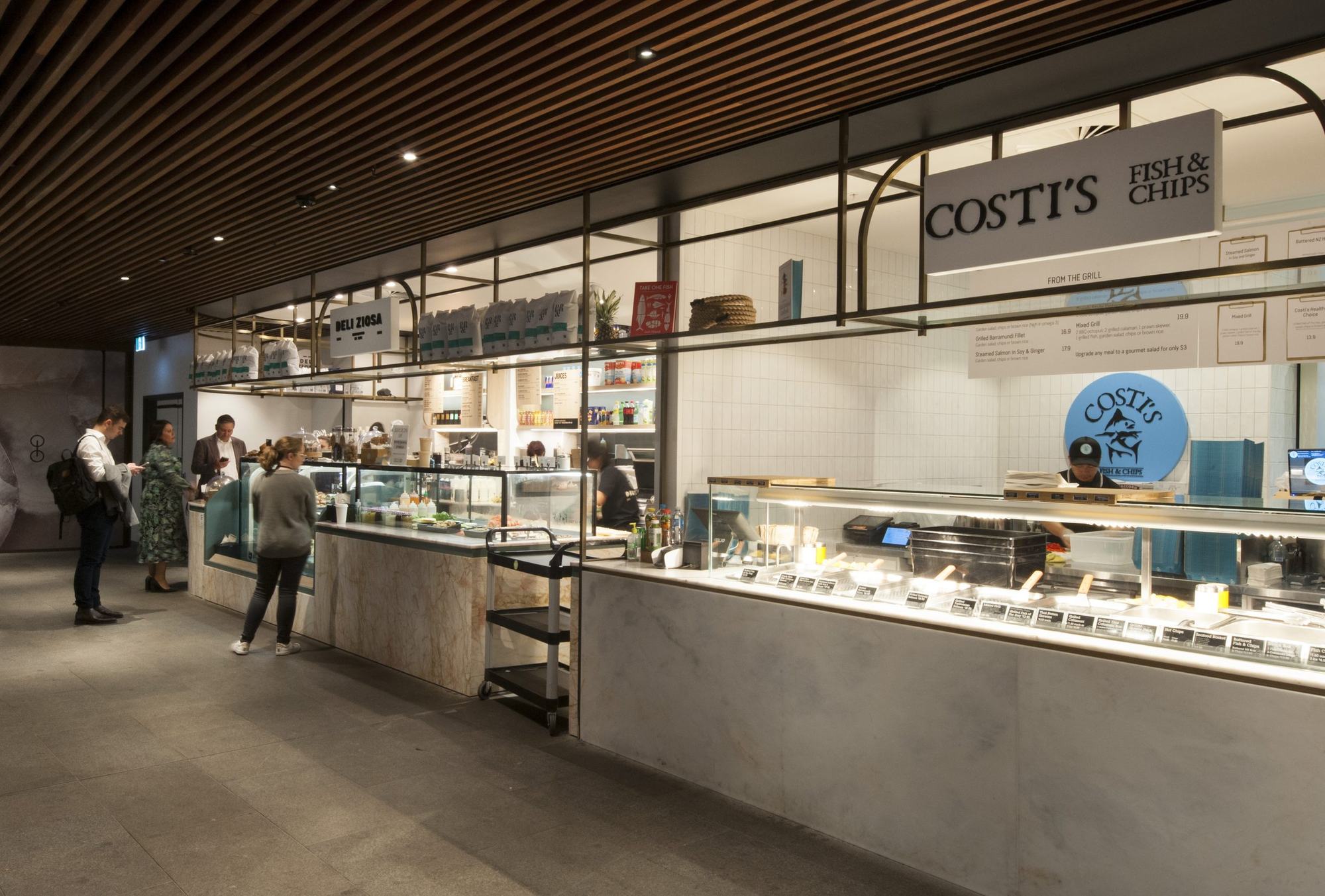
AMP precinct dining hall food tenancies — Laidre fit-out work, Circular Quay
What should a good fit-out quote include?
Use this as a checklist when the quotes come in:
- the builder's legal name, ABN and contact person
- the drawings, revision numbers and finishes schedule it's based on
- a breakdown by trade or area
- exclusions, provisional sums and assumptions, listed separately
- the work hours and building requirements it allows for
- a program, with long-lead items and any stages
- how variations will be priced and approved
- the payment schedule and any retention
- how long the price is valid
The NSW Small Business Commissioner suggests a written contract or quote set out the work, the costs, the payment terms, the start and finish dates, and what happens in a dispute. That's a sensible minimum for any fit-out.
Get a quote you can check
A quote is only as good as the site walk behind it. Send us the address, the floor area, any drawings and your timing, and talk to Dylan, Matt or Neil. We'll walk the site with you and introduce the people who would run the job. You can also see our projects and our commercial and hospitality work.
Questions people ask
What are the red flags in a fit-out quote?
A single lump sum with no breakdown, vague words like "as required" or "allow", a long list of exclusions, low provisional sums, no program, no mention of the building's rules or approvals, and a price that wasn't based on a site visit. Any one of them can hide cost that comes back later as variations.
Why is one fit-out quote so much cheaper than the others?
Usually because it prices less. The cheaper quote may leave out services work, after-hours shifts, approvals, make good or furniture, or carry small allowances that will be topped up later. Line the quotes up item by item before you decide the cheap one is a saving.
How do I get fit-out quotes I can compare?
Give every builder the same brief, drawings, finishes schedule and building fit-out guide, walk them all through the site, set one due date, and ask them to price in the same format with exclusions and allowances listed. Answer any builder's question in writing to all of them.
What are provisional sums and prime cost items in a quote?
They are allowances for work or items that aren't fully defined when the quote is written. If the real cost comes in higher, you usually pay the difference. Check what each allowance covers and whether the amount is realistic for your space.
What happens if my fit-out goes over budget?
It depends on your contract. On a fixed price, the builder carries its own pricing risk, but changes you ask for, surprises behind walls and provisional sums can still move the price. A clear variation process, a contingency you control and regular cost reports are what keep an overrun small.
Should I always pick the lowest fit-out quote?
Only if it prices the same scope, program and risk as the others. Check exclusions, allowances, the program, who runs the job and how variations are valued. A low price that leaves gaps often costs more by the end.
Commercial & hospitality
Dylan, Matt or Neil can talk through your plans, timing and scope.
Related projects
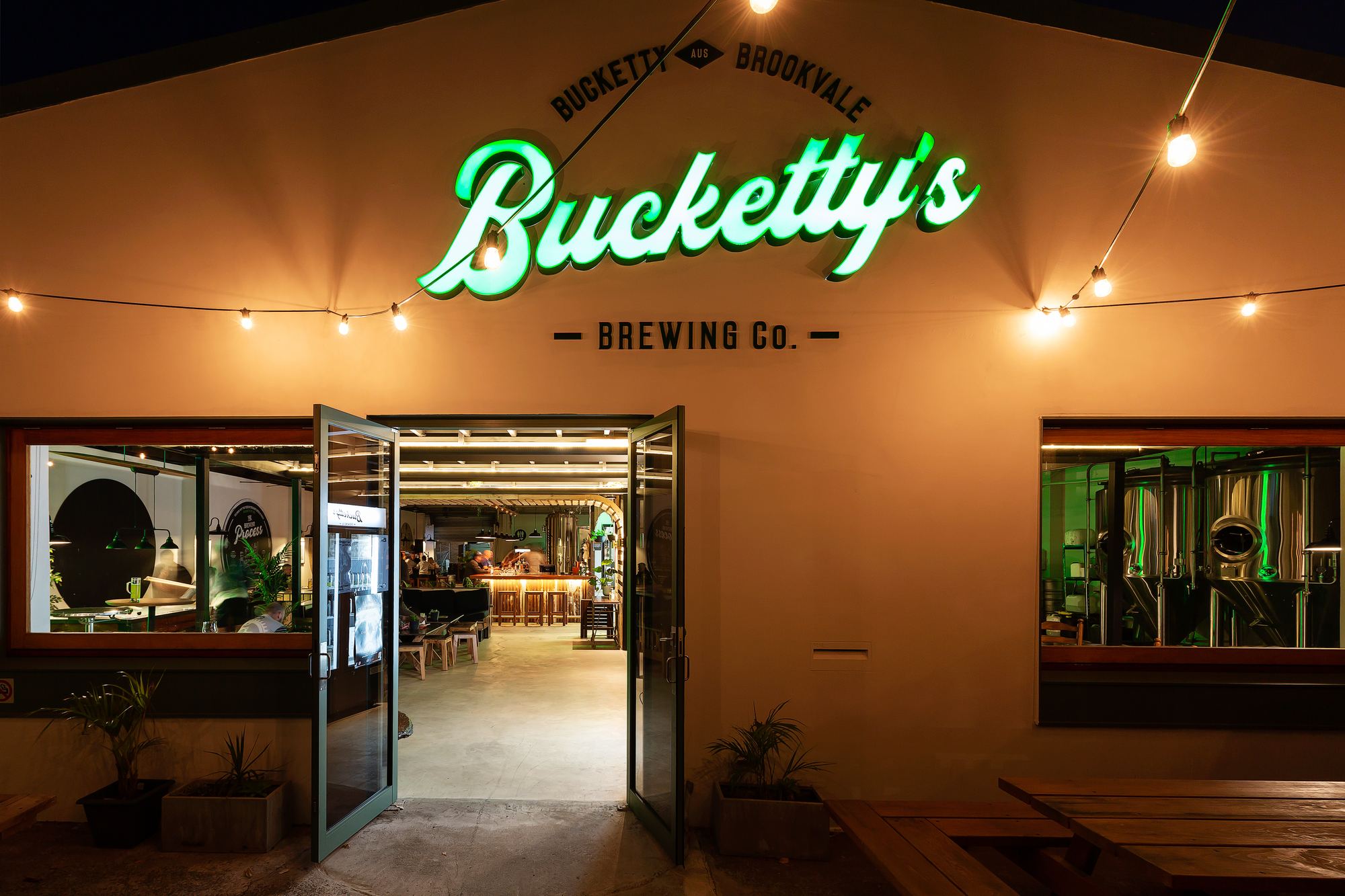
Bucketty's Brewing Co., Brookvale
Bucketty's Brewing Co.
26 Orchard Road, Brookvale NSWDesign and construct
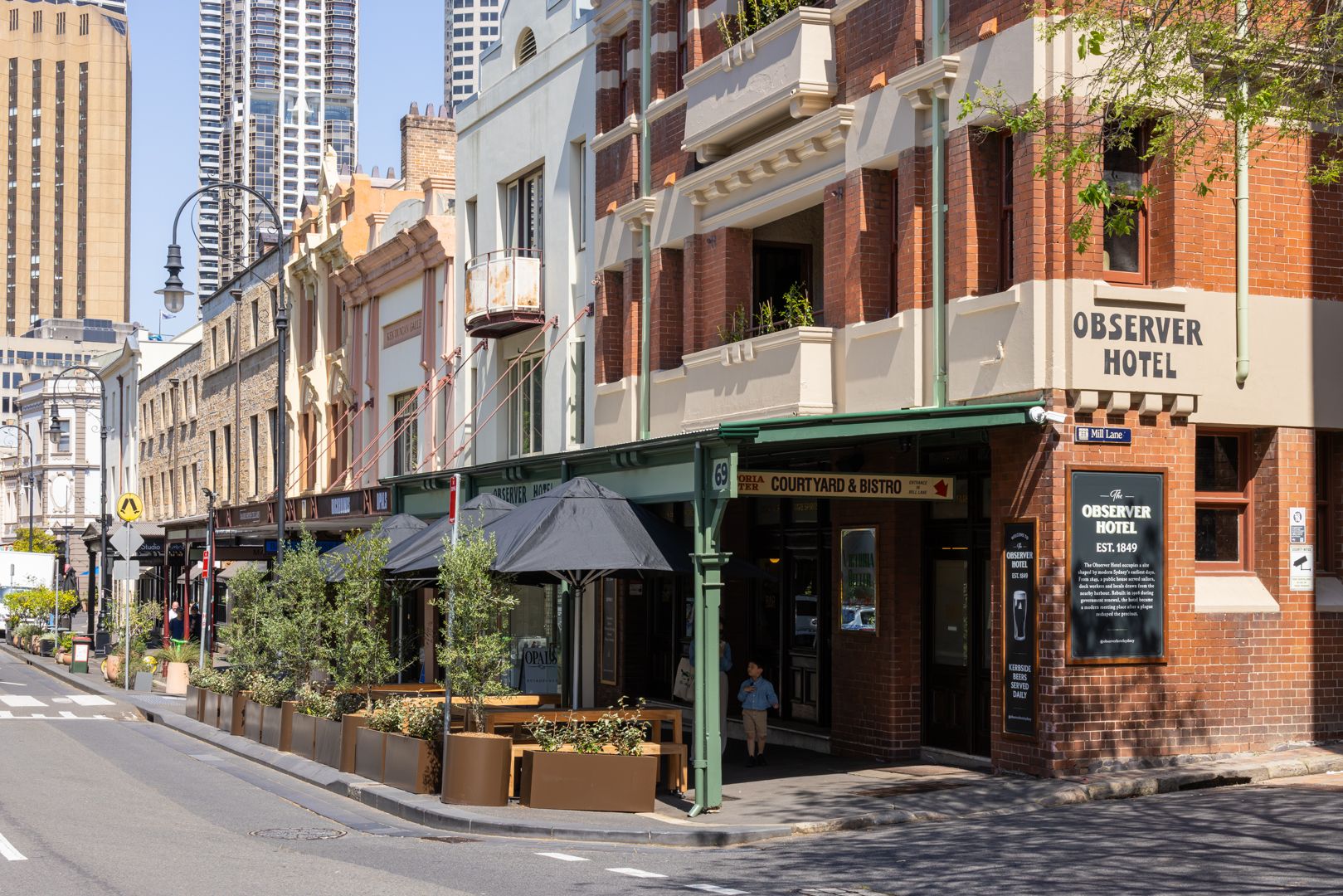
Photo: Kitti Gould
The Observer Hotel, The Rocks
Barrelhouse Group
69 George Street, The Rocks NSWHeritage and building restoration