Commercial
Fit-out builder licences, insurance and credentials: what to check in NSW
How to check a NSW fit-out builder's licence, trade licences, insurance certificates, company details and ISO credentials, and what warranties and defects cover to ask about.
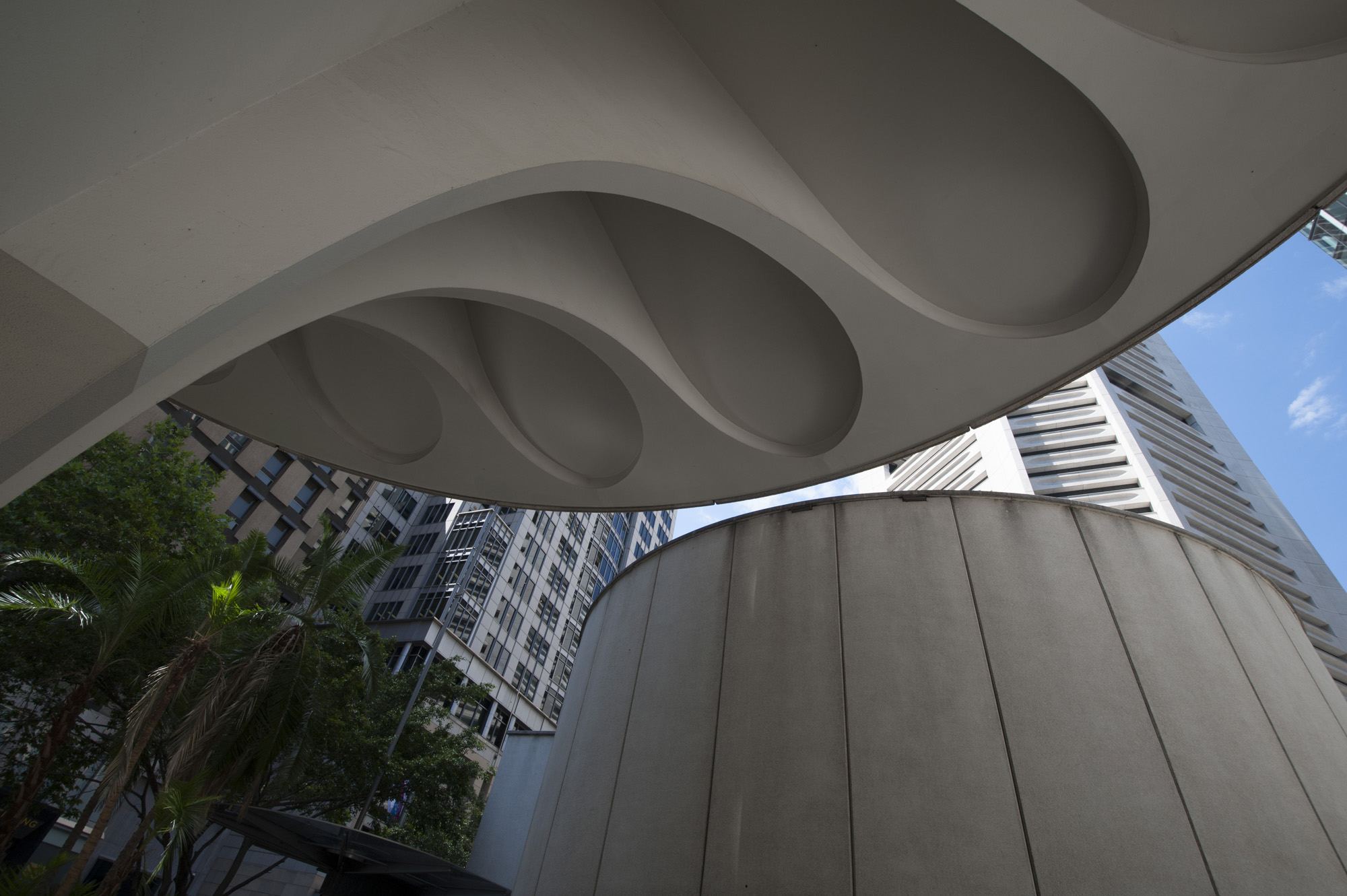
25 Martin Place canopy and feature wall — Sydney CBD
Before you sign with a fit-out builder in NSW, check the company on ABN Lookup and ASIC, any licence on the NSW Government register, and certificates of currency for public liability, contract works and workers compensation in the builder's exact legal name. Then check the trades: electrical, plumbing, gasfitting, air conditioning and asbestos removal need their own licences, even on commercial jobs.
Laidre has been building in Sydney since 2010, from offices on Bligh Street and Bond Street to venues in Woolwich and Brookvale and aged care homes and villages across NSW. We hold NSW company builder's licence 454197C. Our guide to choosing a fit-out builder covers the basics. This one goes further: what each check actually tells you, how to read the paperwork, and what to ask about warranties and defects.
Does a fit-out builder need a licence in NSW?
It depends on the kind of building and the kind of work.
- Residential building work. You need a licence to do, or contract for, residential building work worth more than $5,000 in labour and materials, including GST, under the Home Building Act 1989 (NSW Government). That includes work on houses, terraces and flats.
- General commercial building work. There's currently no specific licence for general building work on commercial premises, as the NSW Small Business Commissioner notes. Many commercial builders hold a NSW builder's licence anyway, and it's a useful sign they've met the qualification and experience rules.
- Specialist trades, on any job. A licence is needed for wiring, plumbing, draining, gasfitting, and air conditioning or refrigeration work (Service NSW).
- Apartments and other regulated buildings. Building work on class 2 buildings, such as apartment and mixed-use buildings, needs a registered building practitioner under the Design and Building Practitioners scheme. Certain new class 3 and 9c buildings are covered too, and alteration work on existing class 3 and 9c buildings, which include residential aged care, comes under the scheme from 1 July 2028 (NSW Government). Laidre is a registered practitioner.
The rules are changing. The Building (Approvals and Practitioners) Act 2026 was assented on 14 August 2026 (Parliament of NSW), but not all of it has started yet (NSW Legislation). Check the current position on the NSW Government website before you sign, and ask your builder how it affects your job.
How do you check a licence properly?
Seeing a licence number on a quote isn't the same as checking it. Search it on the NSW Government's Verify licence register. According to the register's own guide, a search shows:
- whether the licence is current, expired, suspended or cancelled
- the categories of work it covers
- the directors, if the holder is a company
- any public warnings, finalised disciplinary action, or paid home building compensation claims
What it doesn't show is complaints or open investigations. Fair Trading keeps a separate complaints register for that. The guide also suggests you search the company, its directors and its nominated supervisor separately, because the register doesn't link every licence a person has held.
Check three things against your job. The name on the licence should match the name on the quote and contract. The category should cover the work. The dates should run past your finish date.
Check the trades, not just the builder
Most of a fit-out is built by trades, and some of them need their own licence whatever the building. Ask your builder who will do each of these, and for their licence numbers:
- Electrical. In NSW you need an electrical licence for any electrical wiring work, whatever the cost and whether the work is residential, commercial or industrial (NSW Government).
- Plumbing, drainage and gasfitting. These need a NSW licence too (Service NSW).
- Air conditioning. As well as the NSW licence, anyone installing, commissioning, servicing or decommissioning air conditioning equipment that holds regulated refrigerant needs a national Refrigerant Handling Licence (Australian Government).
- Asbestos removal. Removing more than 10 square metres of non-friable asbestos needs a Class B licence from SafeWork NSW (SafeWork NSW). Friable asbestos needs a Class A licence.
- Everyone on site. Workers who carry out construction work need a general construction induction card, the white card (SafeWork NSW).
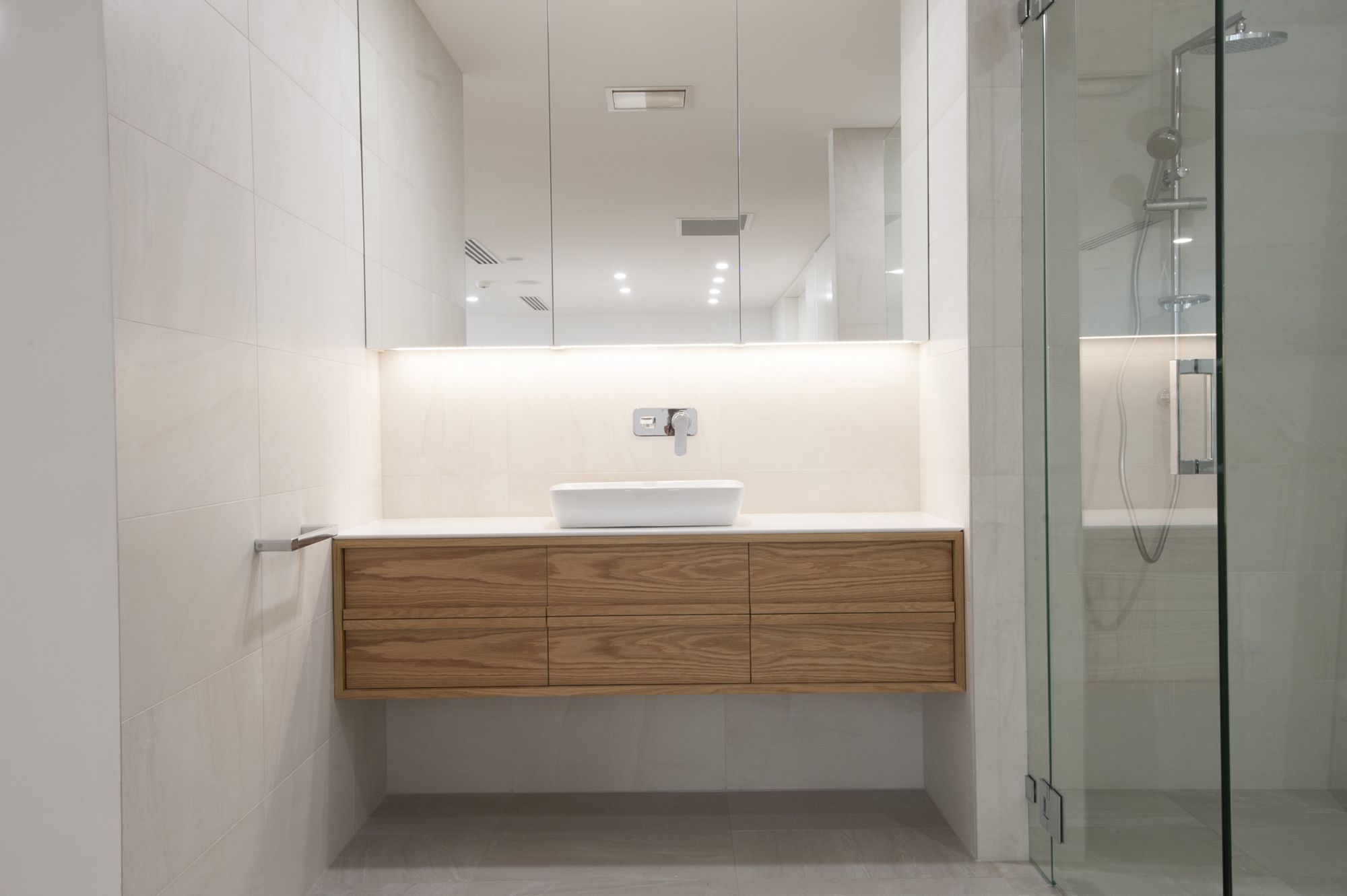
Uniting Norton Street display suite bathroom — Leichhardt
A bathroom like this one involves a plumber, an electrician and a waterproofer before the tiler and joiner get near it. On a commercial job, the builder coordinates those trades. It's fair to ask how they check their trades' licences and insurance before they start.
Which insurance should a fit-out builder have?
The NSW Government explains the main types like this:
- Public liability covers the builder if someone is injured as a result of the building work.
- Contract works covers loss of or damage to the materials and work while the job is under way.
- Workers compensation covers employees injured on site. Employers must hold it by law (business.gov.au), and if an employer on your job isn't insured, you could in some cases be liable for the cost of a claim.
- Professional indemnity covers certifiers, architects, engineers and consultants for their professional services. If you're using design and construct, ask about the designers' cover too.
Public liability isn't compulsory for every business by law, but your lease and your building's fit-out guide will usually set a minimum amount. Laidre holds all required insurances. Building and centre managers ask to see the certificates before the trades turn up, so ask for them when you get the quote, not the week before the start date.
Home building compensation is different. It's required for residential building work over $20,000, including GST, unless the job is exempt (SIRA). It's a scheme for residential work, so a commercial fit-out won't usually need it.
How do you read a certificate of currency?
A certificate of currency is a one-page summary from the insurer. Check:
- The insured name and ABN. They should match the entity on the quote and contract. A related company or a director's name isn't the same thing.
- The policy period. It should cover your whole job, including the defects period if you can. Ask for an updated certificate if it expires mid-job.
- The limit. Compare it with what your lease or building manager requires.
- The business activity. It should describe building or construction work, not something narrower.
- Contract works cover. Ask whether the policy covers a contract of your size.
For workers compensation, you can check whether a NSW employer is registered with icare by searching their ABN or ACN on icare's Employer Lookup.
Ask about subcontractor's statements
In NSW, a principal contractor can be liable for a subcontractor's unpaid workers compensation premiums, unless it holds a written statement from the subcontractor saying those premiums are paid (SIRA). Revenue NSW publishes a standard subcontractor's statement form for this. Ask your builder whether they collect these from their trades. A well-run builder will know exactly what you're talking about.
Check the company behind the quote
- ABN Lookup. ABN Lookup shows whether an ABN is active or cancelled, the business type and GST status.
- ASIC. The ASIC registers cover companies, business names, banned and disqualified people, and published notices, including insolvency notices.
- The same name everywhere. The quote, contract, licence, insurance certificates and invoices should all show the same legal entity.
Credentials that aren't licences
ISO certification isn't a legal requirement, but it tells you the builder's systems are audited by an outside body. ISO 9001 covers quality management, ISO 14001 environmental management and ISO 45001 health and safety. Laidre is certified to all three through Citation Certification.
If a builder claims ISO certification, ask for the certificate and check who issued it, what it covers and when it expires. You can check whether a certification body is accredited on the JASANZ register.
On bigger jobs, safety paperwork matters too. A NSW construction project worth $250,000 or more needs a principal contractor with a written work health and safety management plan, which our guide to fit-outs in occupied buildings explains.
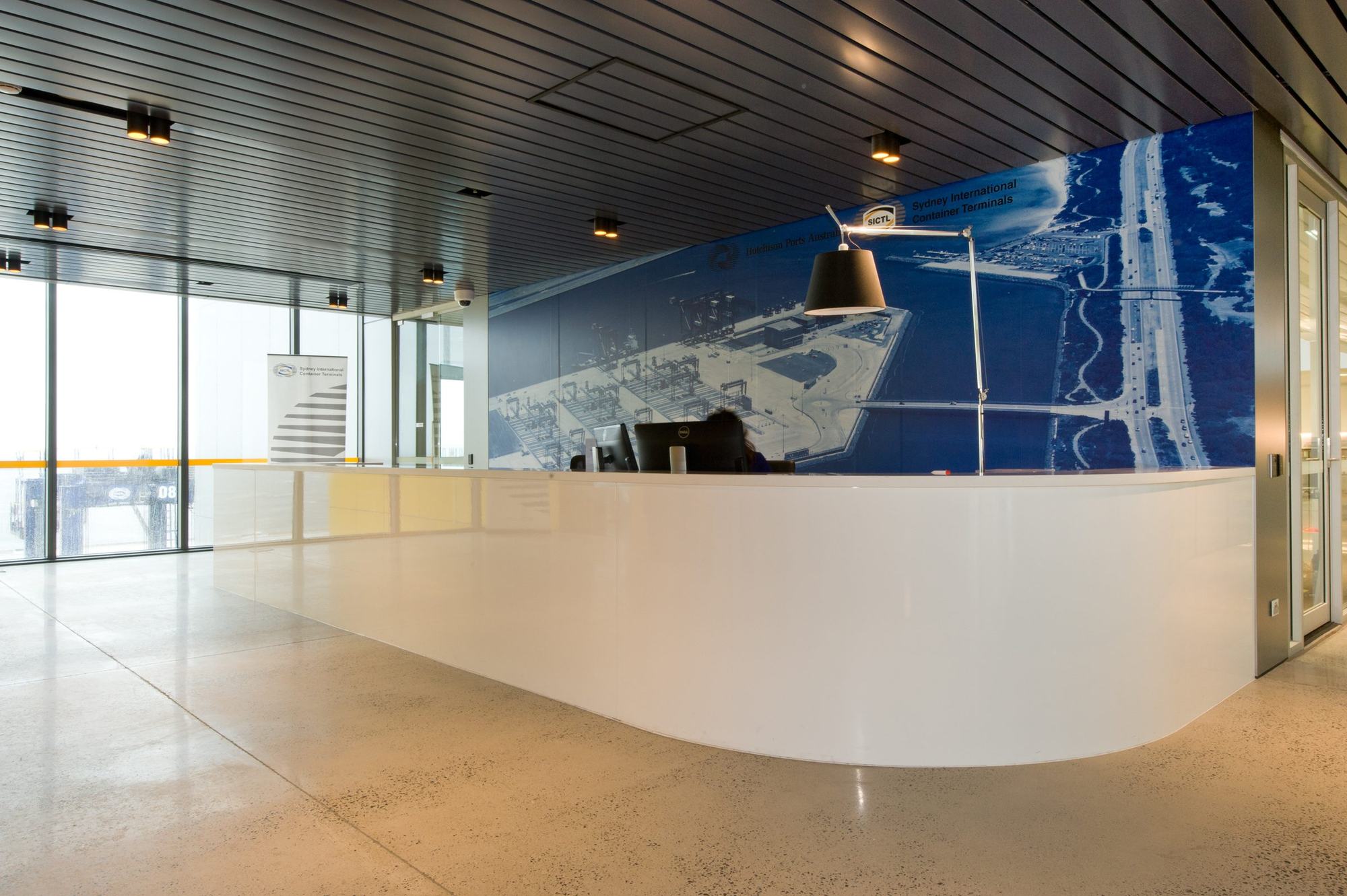
SICTL offices reception — Laidre office fit-out, Port Botany
Ask about warranties and defects
Licences and insurance protect you if something goes badly wrong. Day to day, what protects you is how the builder handles defects. Ask:
- How long is the defects liability period in the contract, and how is retention or security released at the end of it?
- Which product warranties will you get, for flooring, joinery, fittings and equipment, and in whose name?
- What's in the handover pack: warranties, manuals, certificates and as-built details?
- How are defects listed and closed out?
At 25 Martin Place, we helped Dexus research and choose the flooring and bathroom finishes, warranties included, then went back after handover to check how they were holding up. For RFBI Retirement Living we recorded each unit's condition before work started, signed off every unit with a completion checklist, and fixed the few small defects after handover. Our guide to staging aged care refurbishments shows how the checklist and defects walk work on a rolling program.
Your checklist before you sign
- ABN active, and the same legal name on the quote, contract, licence and insurance
- Licence checked on Verify licence, for the company, directors and nominated supervisor
- Trade licences for electrical, plumbing, gasfitting, air conditioning and any asbestos work
- Certificates of currency for public liability, contract works and workers compensation, covering your dates and limits
- Subcontractor's statements collected from the trades
- ISO certificates checked, if claimed
- Defects period, warranties and handover documents written into the contract
Pricing and payment need checking too. See red flags in a fit-out quote, fit-out payment terms in NSW, and permits and approvals for a Sydney fit-out.
Talk to us before you sign
Send us the address, the floor area and your timing, and talk to Dylan, Matt or Neil. We'll walk the site with you and introduce the people who would run your job. You can also read about Laidre, see our projects, and look at our commercial and hospitality work.
This article is general information about NSW licensing and insurance at November 2026. It is not legal or insurance advice. Rules change, and you should check the official sources and get advice on your own job.
Questions people ask
Does a fit-out builder need a licence in NSW?
For residential building work worth more than $5,000, yes. For general commercial building work, NSW does not currently require a builder's licence. Specialist work such as electrical wiring, plumbing, drainage, gasfitting, air conditioning and refrigeration must be done by licensed contractors on any job. Work on apartment buildings and some other regulated buildings also needs a registered building practitioner. Laidre is a registered practitioner.
How do I check a builder's licence in NSW?
Search the builder's company name, ABN or licence number on the NSW Government's Verify licence register. Check the licence is current, covers the category of work you need, and shows no public warnings, disciplinary action or suspension. Search the directors and nominated supervisor too.
What insurance should a commercial fit-out builder have?
Public liability, contract works and workers compensation insurance, with certificates of currency in the builder's exact legal name. Designers on a design and construct job should hold professional indemnity insurance. Your lease or building manager will usually set the minimum public liability amount. Laidre holds all required insurances.
What should I check on a certificate of currency?
That the insured name and ABN match the company you are contracting with, the policy dates cover your whole job, the limit meets your landlord's requirement, and the described business activity covers building or fit-out work. You can also check a NSW employer's workers compensation cover with icare's Employer Lookup.
Do I need home building compensation insurance for a fit-out?
Only if the job is residential building work worth more than $20,000, unless an exemption applies. It's a scheme for residential work, so a commercial fit-out won't usually need it. For residential work, the builder must give you a certificate before taking a deposit or starting work.
Do ISO certifications matter when choosing a builder?
They show the builder runs quality, environmental and safety systems that an outside body audits. Ask for the certificate, check who issued it, what it covers and when it expires. Laidre is certified to ISO 9001, ISO 14001 and ISO 45001 through Citation Certification.
Commercial & hospitality
Dylan, Matt or Neil can talk through your plans, timing and scope.
Related projects
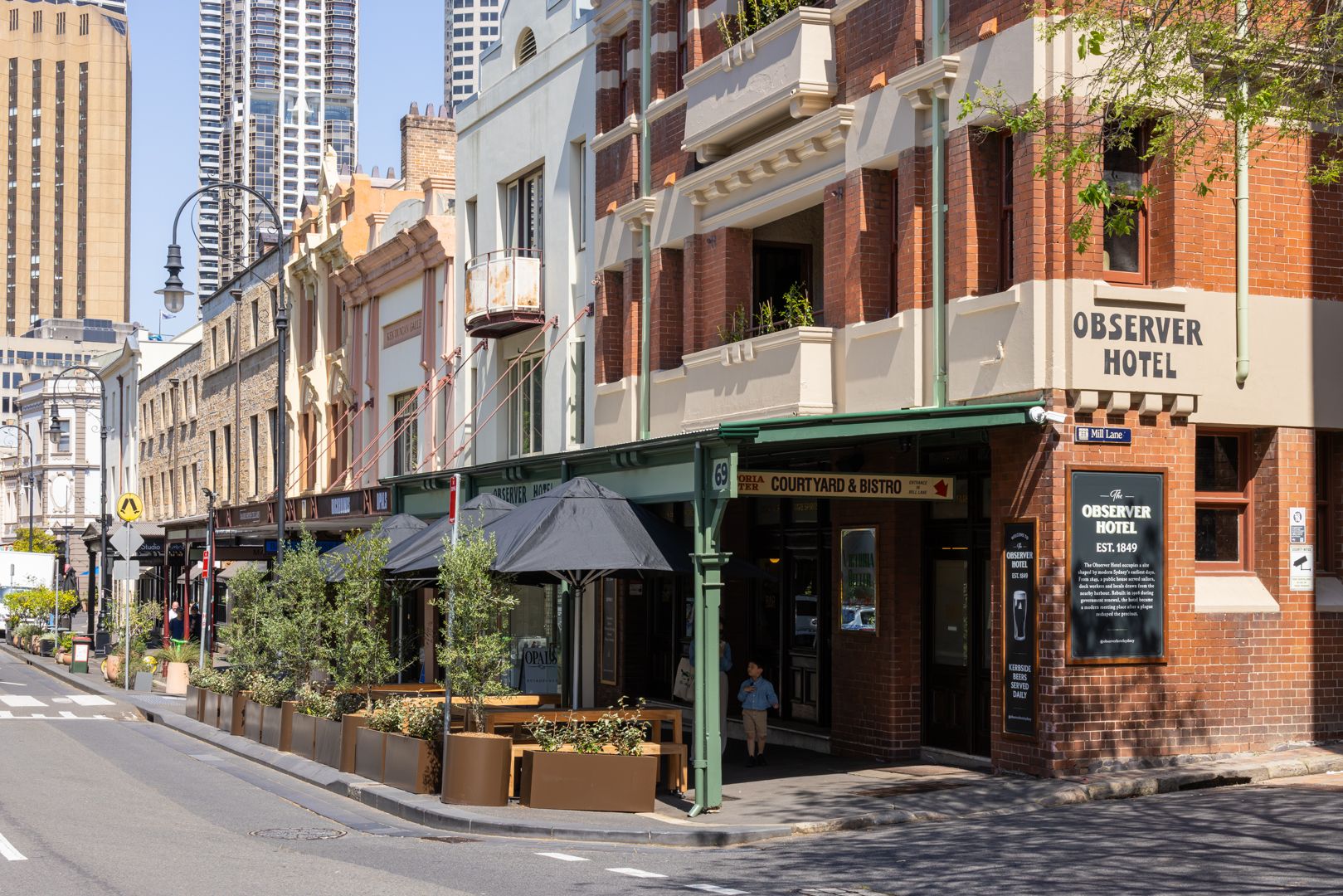
Photo: Kitti Gould
The Observer Hotel, The Rocks
Barrelhouse Group
69 George Street, The Rocks NSWHeritage and building restoration
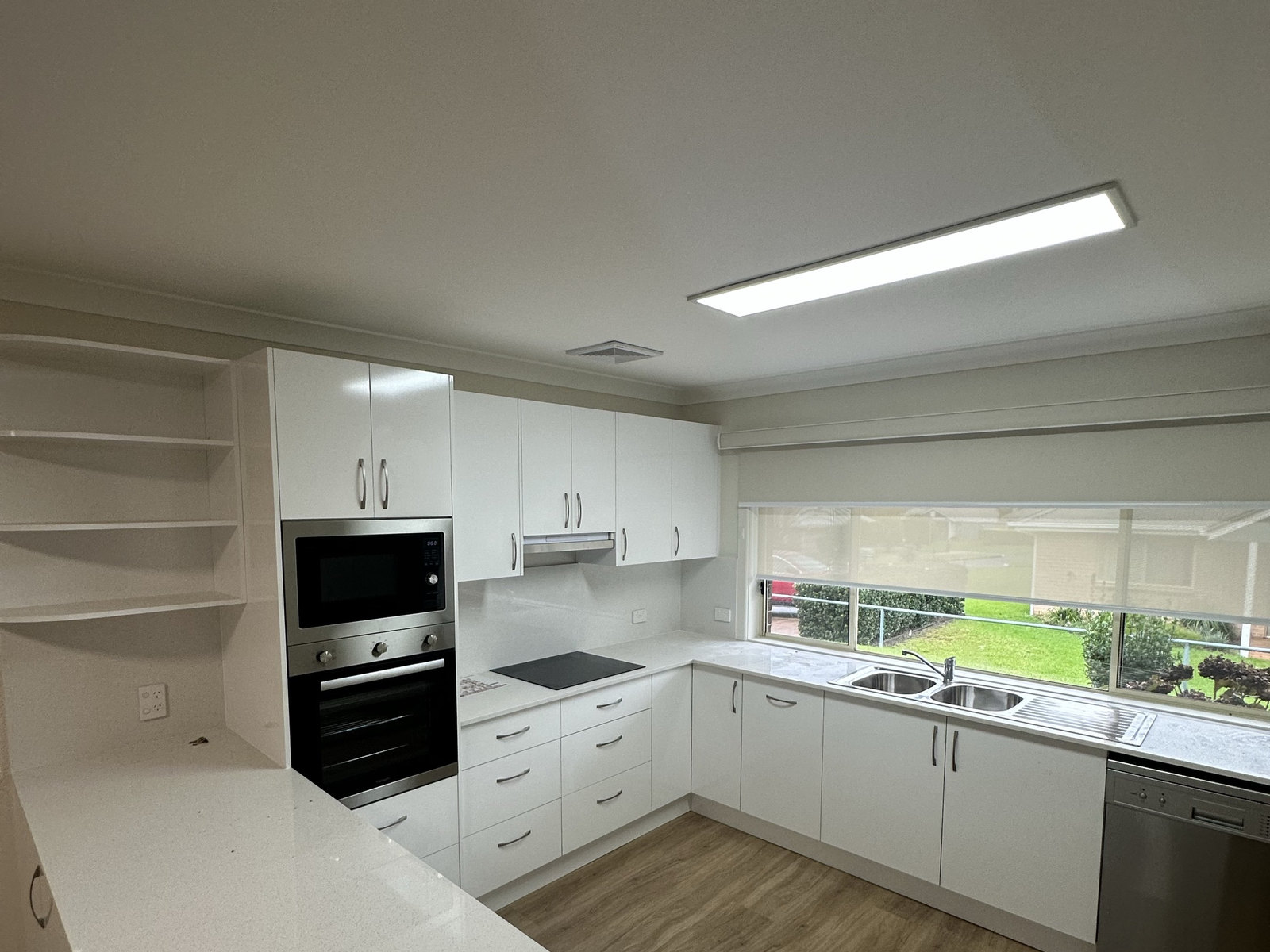
RFBI, five retirement living units
RFBI (Royal Freemasons' Benevolent Institution), Retirement Living
Goulburn, Berry, Basin View & Coffs Harbour, NSWAged care & retirement living