
Commercial
Fit-outs in occupied buildings: how to build while a Sydney business keeps running
How a fit-out or refurbishment gets built in a Sydney office, shopping centre, venue or aged care home that stays open: staging, after-hours work, safety and who to tell.
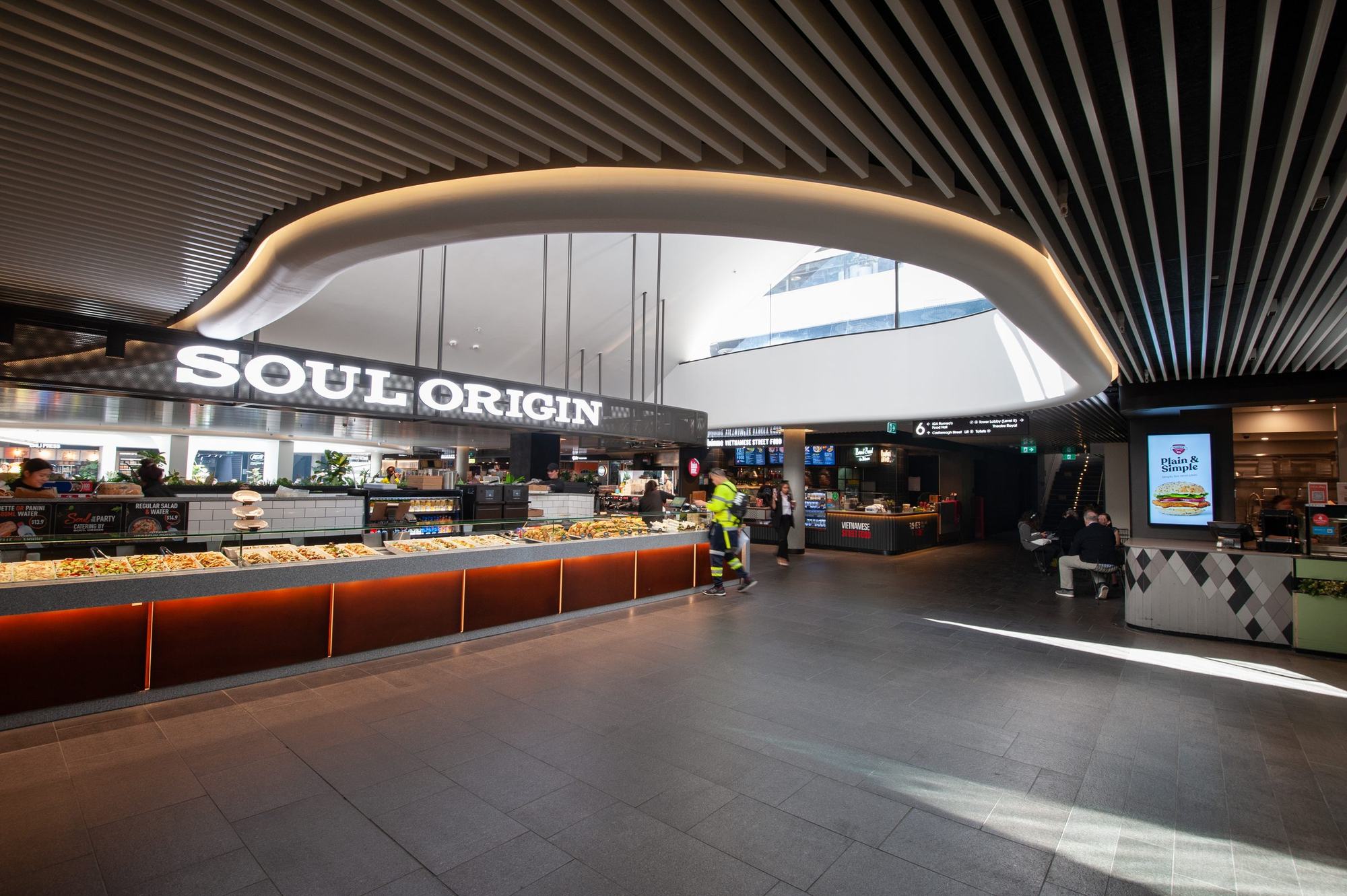
MLC Centre food court — Laidre food court work, Sydney CBD
A fit-out in an occupied building is built in stages around the people still using it: the work area is closed off and kept separate, the noisy work goes early, late or on weekends, and each area is handed back before the next one starts. Done well, the office keeps working, the shops keep trading and residents stay in their homes.
Laidre has worked in buildings that stay open since 2010, from office towers on Bond Street and Martin Place in the Sydney CBD to shopping centres in Lidcombe and aged care homes in Narrabri. This guide covers what changes when the building can't close, what it does to the cost and program, and what to agree before anyone starts. If you want the short version, start with planning works in an occupied building.
What is different about an occupied building?
On an empty floor, the builder sets the rules. In an occupied building, the building does. That usually means:
- Set work hours. Many towers and centres allow noisy work only before or after business hours.
- Shared access. Lifts, loading docks and corridors are booked, not owned.
- People on the other side of the hoarding. Staff, shoppers, residents and visitors are a few metres away all day.
- Live services. Power, water, air conditioning and fire systems keep serving the rest of the building, so any shutdown is planned and booked.
- More people to keep informed. Building management, other tenants and residents all need to know what is happening.
None of that stops the job. It changes how it is planned, priced and run.
How do you keep a business running during a fit-out?
Stage the work
Split the job into areas and finish each one before the next starts, so people always have somewhere to work, shop or live. At RFBI Hawkins Masonic Village we refurbish resident bathrooms two at a time and hand each pair back before the next pair starts. We had handed back 14 by mid-October 2026, with the nursing home running as normal. At Whiddon's Robert Young home in Narrabri we refurbished six resident rooms one at a time.
Move the disruptive work
Demolition, core drilling and anything dusty goes where it hurts least. On one office job we ran demolition from 5 to 7am so the building wasn't disturbed. At 20 Bond Street, painting, electrical work and the lobby carpet in RP Infrastructure's occupied areas were scheduled for weekends or before 8am.
Agree quiet times with the people who live or work there
Some buildings have quiet hours that matter more than the standard construction hours. At Aveo Minkara that meant no noisy work before 10am and none on weekends, because the village is people's home.
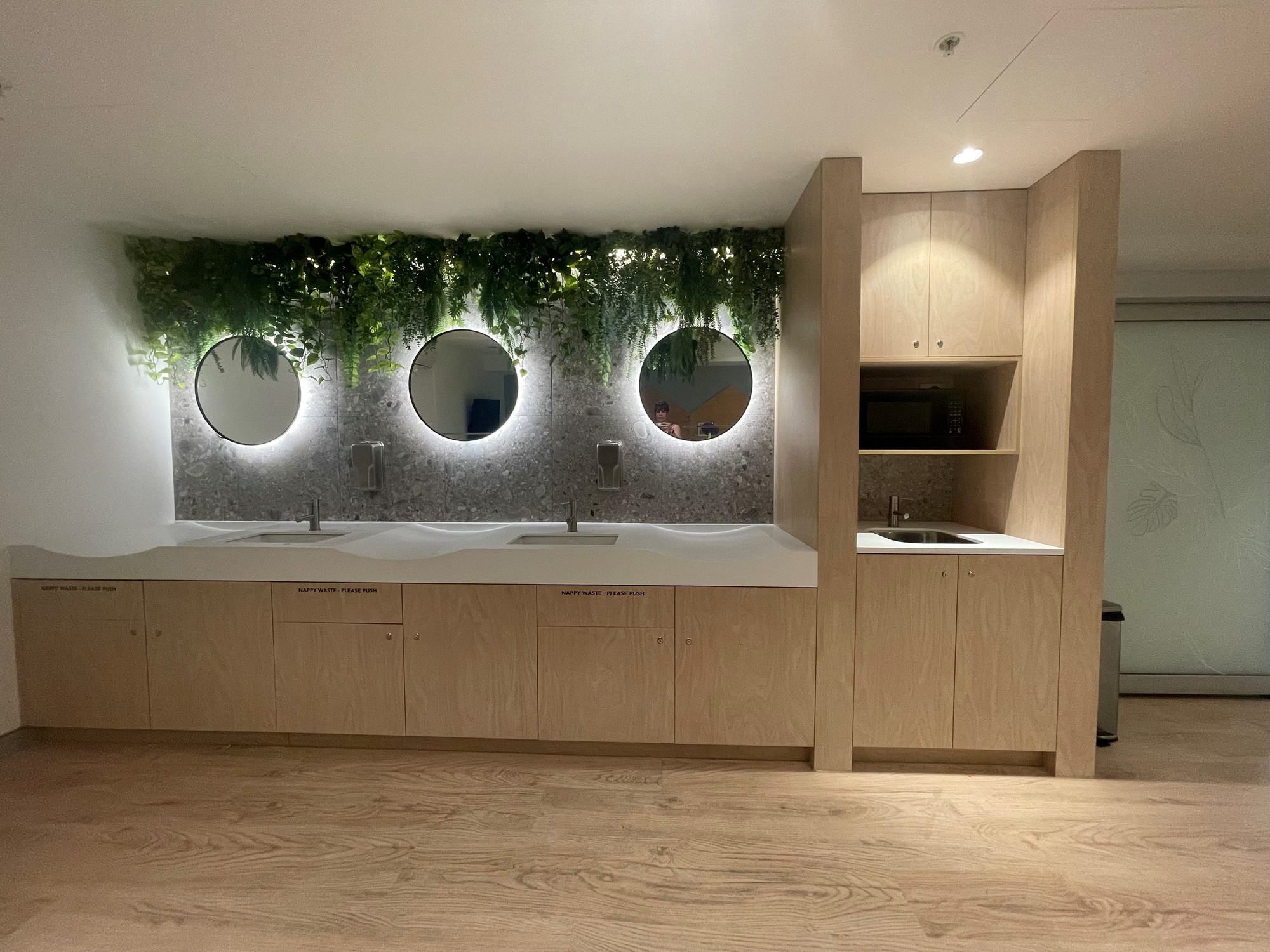
Lidcombe Shopping Centre amenities — upgraded while the centre kept trading
Which buildings can stay open during a fit-out?
Most of them, with the right plan. Our work includes:
- Office towers. At 25 Martin Place we delivered an amenities upgrade for Dexus, and a separate food court upgrade as design and construct, with the building open the whole time.
- Shopping centres and food courts. We upgraded the amenities shoppers use every day at Lidcombe Shopping Centre, and have done food court work at the MLC Centre. Centre management, trading hours and the tenants next door set the rules. More in retail and food court fit-outs.
- Venues. Restaurants, bars and pubs often sit inside bigger buildings that keep running. See restaurant and cafe fit-outs in operating buildings.
- Aged care and retirement living. Homes and villages never close, so the job runs room by room or unit by unit. See staging aged care refurbishments.
Does it cost more to build in an occupied building?
Usually a little, because the building's rules take time. The extra cost tends to come from:
- after-hours, early-morning or weekend shifts
- more hoarding, dust barriers and floor protection
- staged handovers instead of one handover at the end
- booked lifts, loading dock slots and security escorts
- planned shutdowns and fire isolations
- extra cleaning at the end of each shift
Weigh that against what closing would cost: lost trade, temporary office space, moving staff twice, or residents moving out. A good quote lists these items so you can see them. Our Sydney fit-out cost guide explains how to build the rest of the budget.
How do you keep people safe?
The work area is a construction site, and everything outside it isn't. Keeping those two apart is the builder's job. In practice that means:
- solid hoarding or barriers, with signs, around every work area
- separate routes for trades and materials where the building allows it
- fire isolations booked with the building for each work day and restored at the end of every day
- exits, fire doors and accessible paths kept clear, or alternatives agreed and signposted
- a clean, safe handback of each area before the public or residents use it again
In NSW, construction work worth $250,000 or more is a construction project under the Work Health and Safety Regulation, and it must have a principal contractor. As SafeWork NSW explains, the principal contractor must prepare a written work health and safety management plan before work starts, including site-specific safety rules and how everyone at the workplace is told about them. Ask your builder how their plan handles the people who aren't part of the job.
At Whiddon in Narrabri, the flooring installer booked fire isolations with the Village Managers for each flooring day. Small details like that are what keep an occupied site safe.
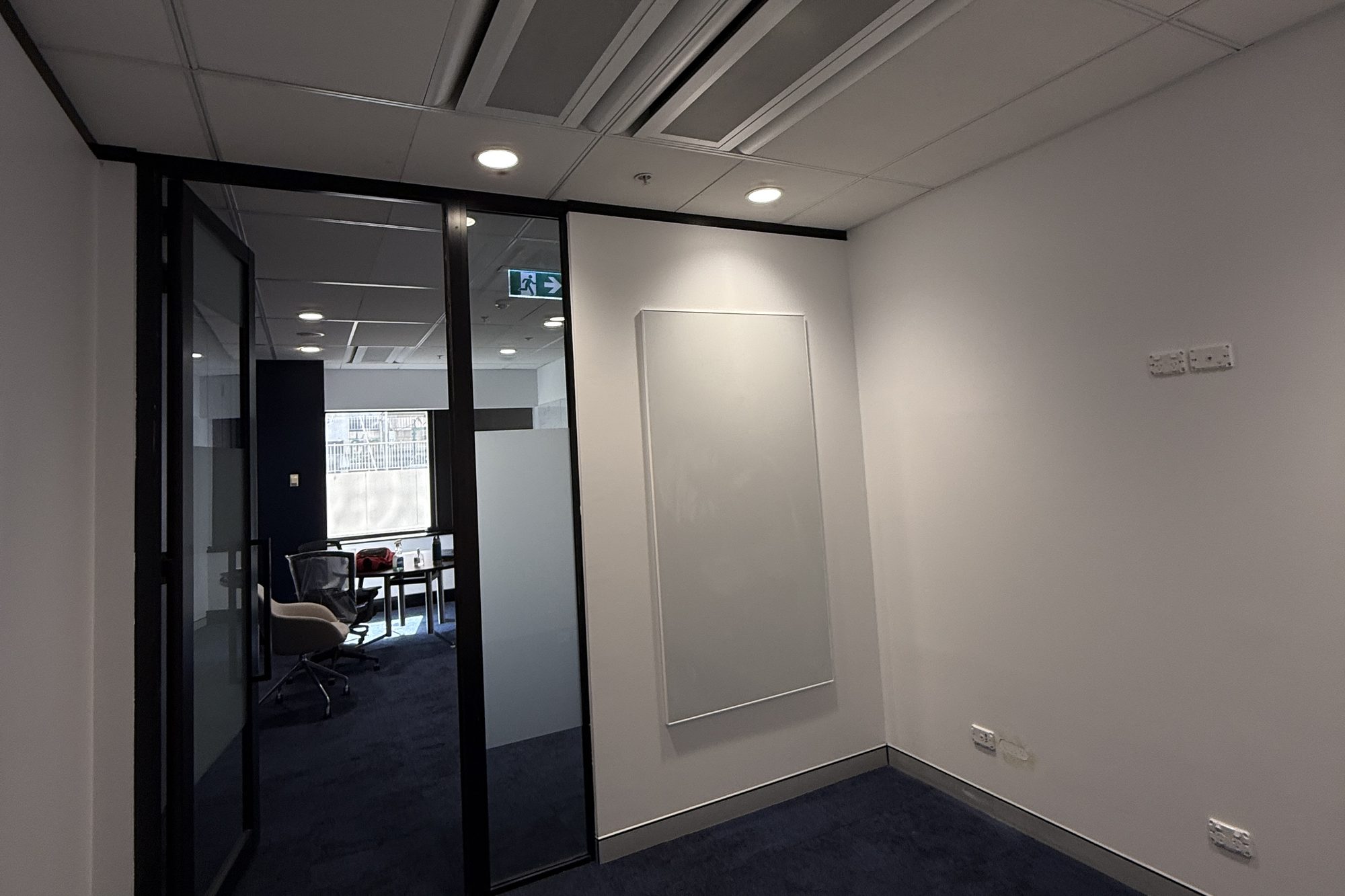
RP Infrastructure meeting room — Level 9, 20 Bond Street, Sydney
Who do you need to tell, and when?
Before the trades turn up, tell:
- Building or centre management, who will want the program, insurances, method statements and the dates of any shutdowns
- Neighbouring tenants or residents, about what is closing, for how long, and who to call
- Your own staff or customers, about changed entries, amenities, parking or lifts
Then keep telling them. We send our clients a weekly report with site photos, so nobody is guessing what happens next week.
What should you agree before work starts?
- The building's fit-out guide and work hours, read before the job is priced
- The stages, in order, and the handback date for each
- Quiet times, and when noisy work is allowed
- Lift, loading dock and access bookings
- How shutdowns and fire isolations are booked
- Who is the contact for building management, tenants and residents
- How surprises behind walls and ceilings will be priced and approved
If the building's approvals also need sorting, our guide to DA vs CDC for a Sydney fit-out covers the pathways. If you are improving a space you already occupy, read office fit-out or refurbishment.
Walk your building with us
Send us the address, a rough scope and the hours your building allows, and talk to Dylan, Matt or Neil. We'll walk it with your building manager and come back with a staged program. You can also see our commercial and hospitality work.
Questions people ask
Can you do a fit-out while the building stays open?
Yes. Most of our work in Sydney is in offices, shopping centres, venues and aged care homes that keep running. The job is split into stages, the noisy work is moved to times that suit the building, and the work area is kept separate from the people using the rest of it.
Does a fit-out in an occupied building cost more?
It can. After-hours shifts, extra hoarding, staged handovers and extra cleaning all take time and labour. You usually save more than that by not closing, not moving staff out and not losing trade. A good quote shows those items separately so you can see what the building's rules are costing.
Can staff keep working during an office fit-out?
Often, yes. On our RP Infrastructure fit-out at 20 Bond Street in the Sydney CBD, the team kept working in their existing office areas while we worked, and anything disruptive in those areas was booked for weekends or before 8am.
How do you stop noise and dust reaching tenants or residents?
Hoarding and dust barriers around the work area, demolition and core drilling outside business hours, agreed quiet times, and cleaning at the end of every shift. At Aveo Minkara we did no noisy work before 10am and none on weekends.
Who needs to be told before work starts in an occupied building?
Building or centre management, the tenants or residents next to the work, and anyone whose access, lift, amenities or parking will change. They need to know what is closing, when, and who to call.
Who is responsible for safety on a fit-out in an occupied building?
Usually the builder, appointed as principal contractor to run the site. In NSW, a construction project worth $250,000 or more needs a principal contractor, who must prepare a written work health and safety management plan before work starts. Your builder should explain how the work area is kept separate from the public, staff or residents.
Commercial & hospitality
Dylan, Matt or Neil can talk through your plans, timing and scope.
Related projects
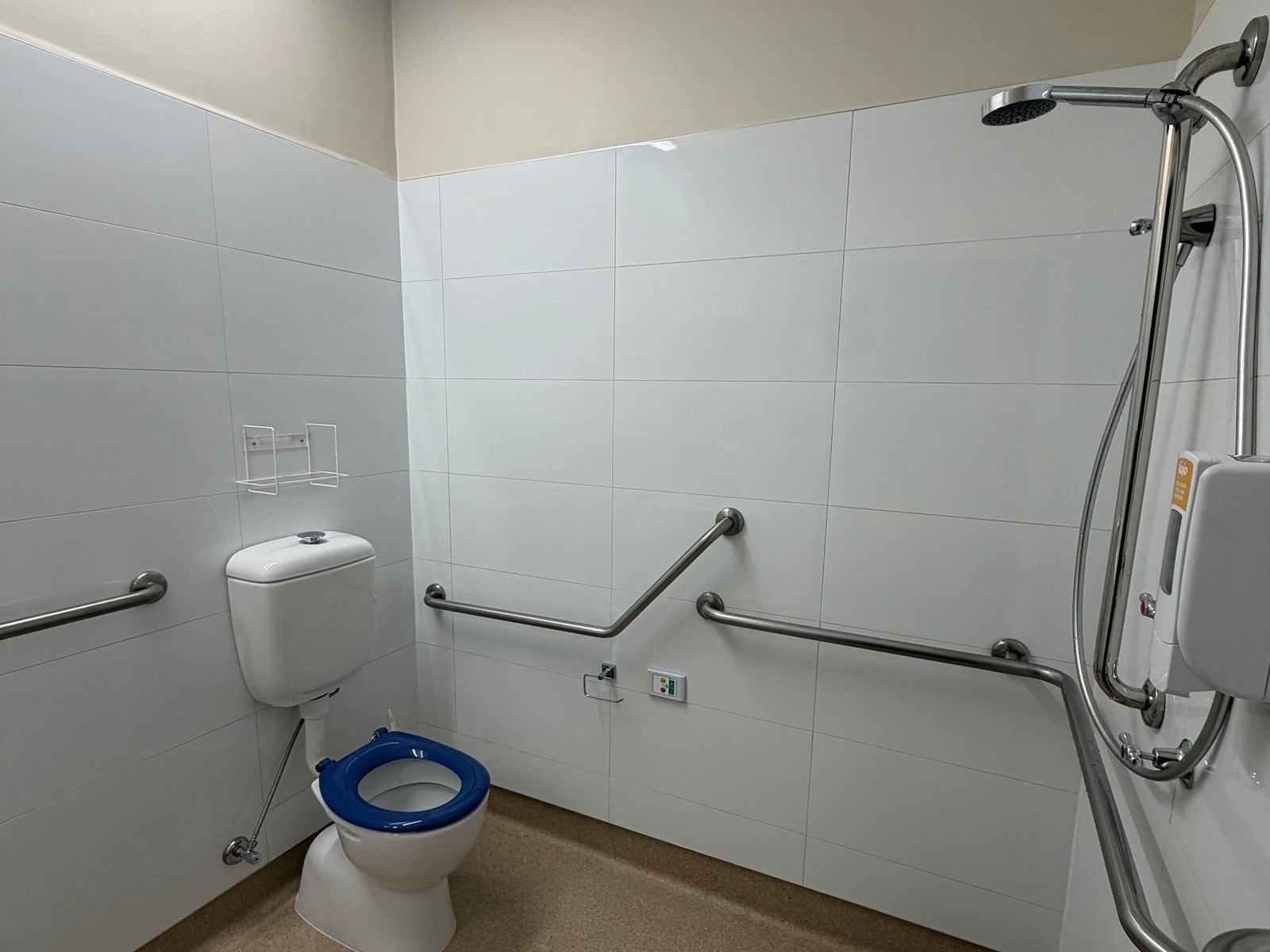
RFBI Hawkins
RFBI (Royal Freemasons' Benevolent Institution)
RFBI Hawkins Masonic Village, NSWAged care & retirement living
Whiddon, Robert Young home, Narrabri
Whiddon
52 Gibbons Street, Narrabri NSWAged care & retirement living